GST on an under-construction flat, and why a finished one pays none
Five per cent on the agreement value, no input credit, and a rate that drops to zero the day the completion certificate is issued. What that means for a pre-launch purchase.
Blackstone Realty · 4 August 2026 · 6 min read
GST is the cost buyers most often leave out of their arithmetic, partly because it does not appear on the price list and partly because the rules changed in 2019 and a lot of the advice online still describes the old ones.
The current position is short enough to state in three lines.
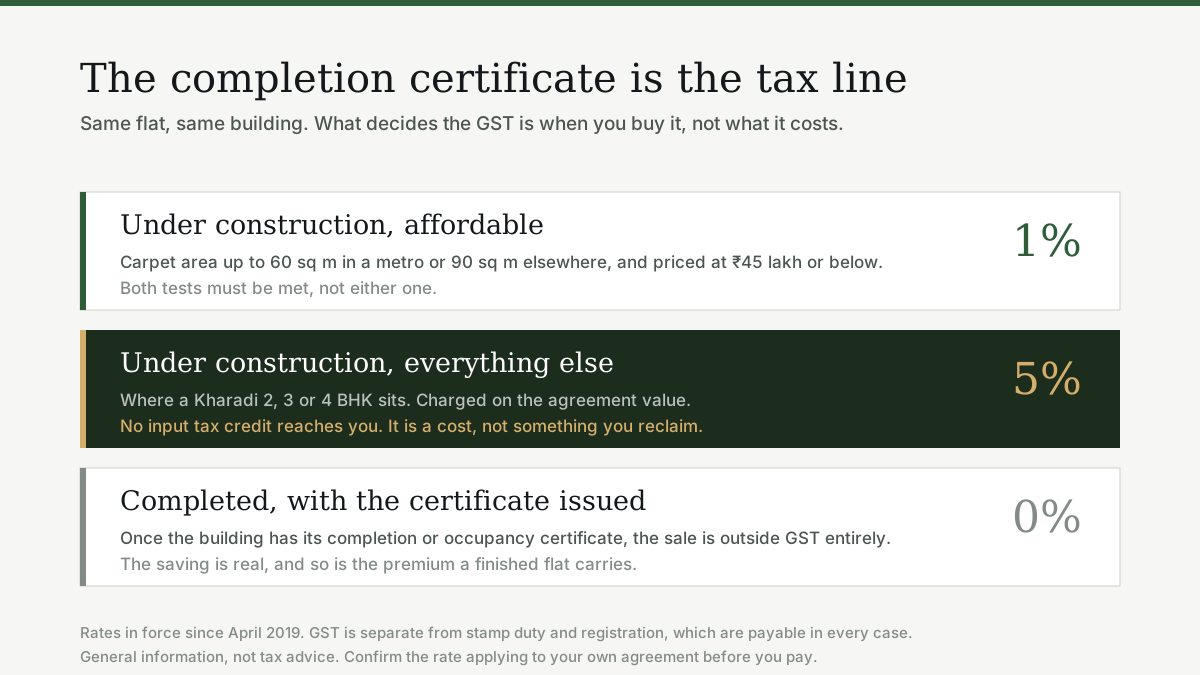
The three rates
1 per cent on affordable housing under construction. Two tests, and both must be met: carpet area up to 60 square metres in a metro or 90 square metres elsewhere, and a price of ₹45 lakh or below.
5 per cent on every other residential flat under construction. This is where anything at Kharadi prices sits.
Nil on a property sold after its completion or occupancy certificate has been issued. At that point the sale is treated as a transfer of immovable property and falls outside GST entirely.
The part that costs you money
Neither the 1 per cent nor the 5 per cent rate carries input tax credit. The developer cannot set off the GST paid on cement, steel and contractors against what it collects from you, and you cannot reclaim anything either.
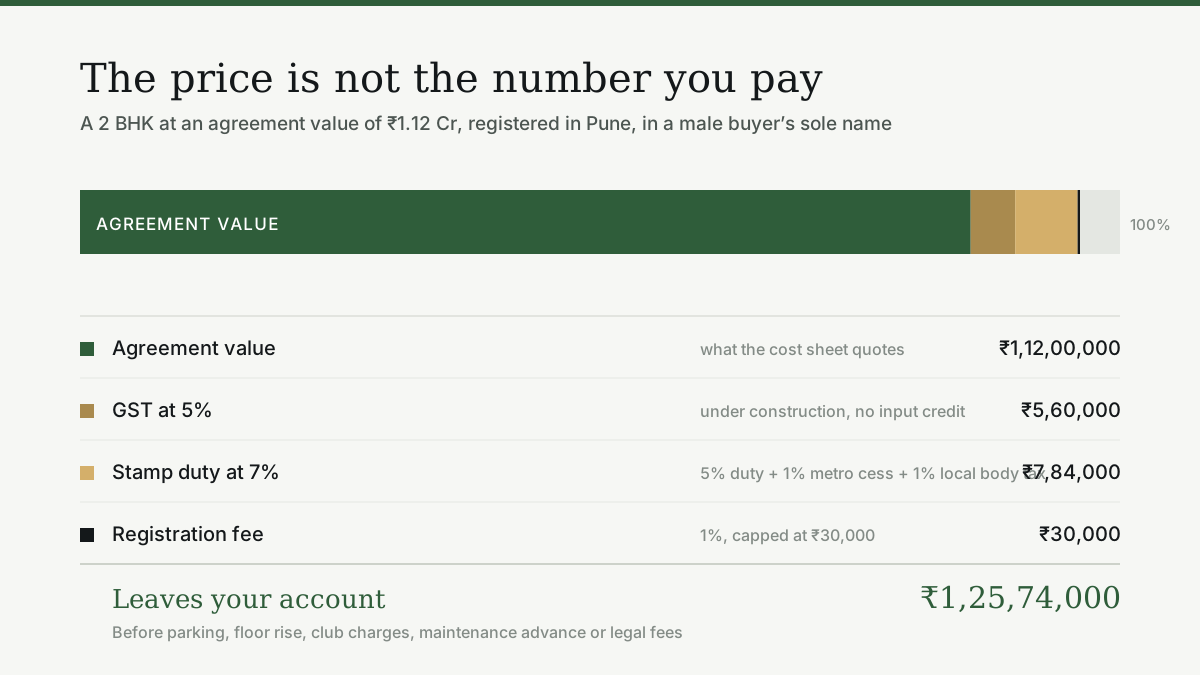
That matters because of how it is often described. GST on a flat is not a tax you route through and recover. It is a straight cost, in the same category as stamp duty. On a ₹1.12 crore flat it is ₹5,60,000, and it does not come back.
Where GST sits among the four charges on a ₹1.12 Cr flat. It is the second largest of them. · Illustration
Under construction versus ready
On the face of it, a ready flat looks five per cent cheaper. That is true and it is not the whole comparison.
A completed flat is priced at what the market will pay for something you can move into tomorrow. That premium is usually larger than the GST saved. What you buy with it is certainty: you see the actual flat, the actual view, the actual finish quality and the actual neighbours, and there is no delivery risk left to carry.
A pre-launch flat is cheaper in absolute terms, carries GST, and asks you to hold the risk in exchange. Both are defensible. What is not defensible is comparing the two on rate per square foot without putting the tax and the risk on the same page.
Where GST appears in the payment schedule
GST is charged on each instalment as it becomes due, not as a lump sum at the end. If your payment plan is construction linked, each demand letter will carry the base amount and 5 per cent on top of it.
Two practical consequences follow. Your monthly outflow is 5 per cent higher than the payment schedule suggests if you read only the principal column. And a delay in construction defers the GST along with the instalment, which is one of the few places a delay works in your favour.
What to confirm before you sign
Is the quoted price inclusive or exclusive of GST? Get it in writing. This single question moves ₹5.6 lakh on a ₹1.12 crore flat.
Is GST charged on the full agreement value or on a portion? The 5 per cent applies to the value of the construction, and the treatment of the land component is already built into the effective rate. Ask the developer to show the calculation on a sample demand letter.
Are parking, club membership and maintenance advance taxed at the same rate? They are separate supplies and are not always at 5 per cent. This is worth an explicit answer rather than an assumption.
This is general information about published rates, not tax advice. Rates and definitions change, and the ones that bind you are the ones in force on the date of your agreement. Confirm with a chartered accountant before you commit.
Sources
GST rates on residential construction in force since April 2019
Booking a pre-launch flat: the sequence and the ten per cent rule
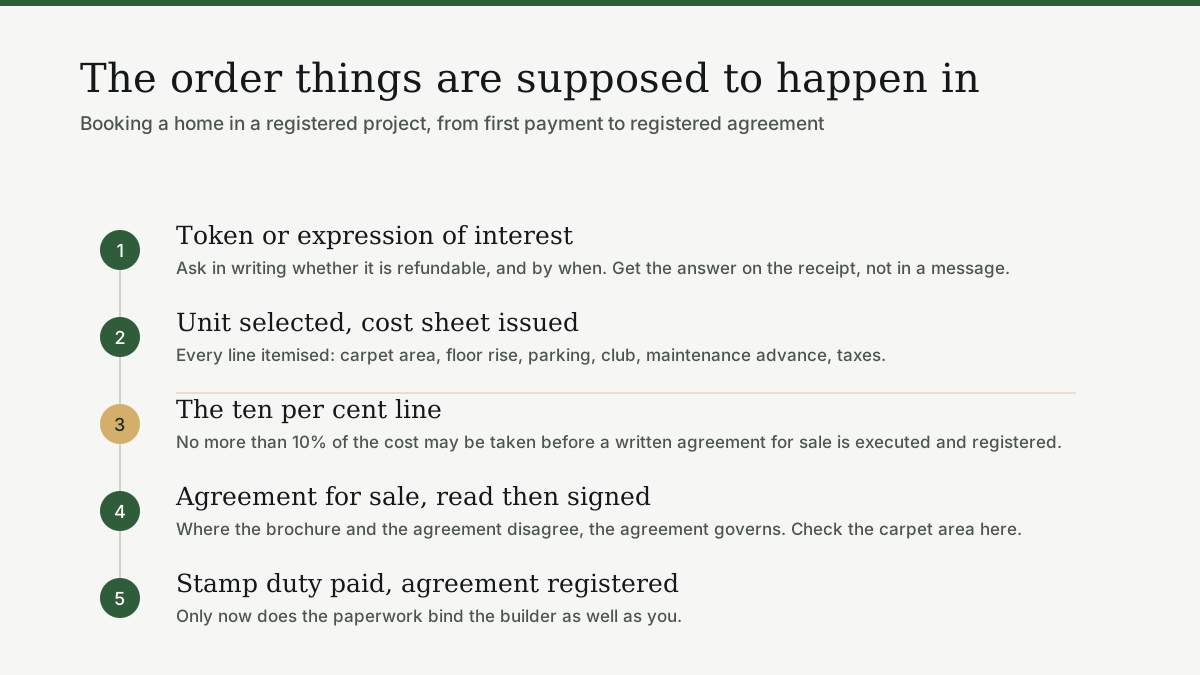
Five steps between the first payment and a registered agreement, the documents to collect at each, and the one legal limit that decides how much anyone can take from you before it.
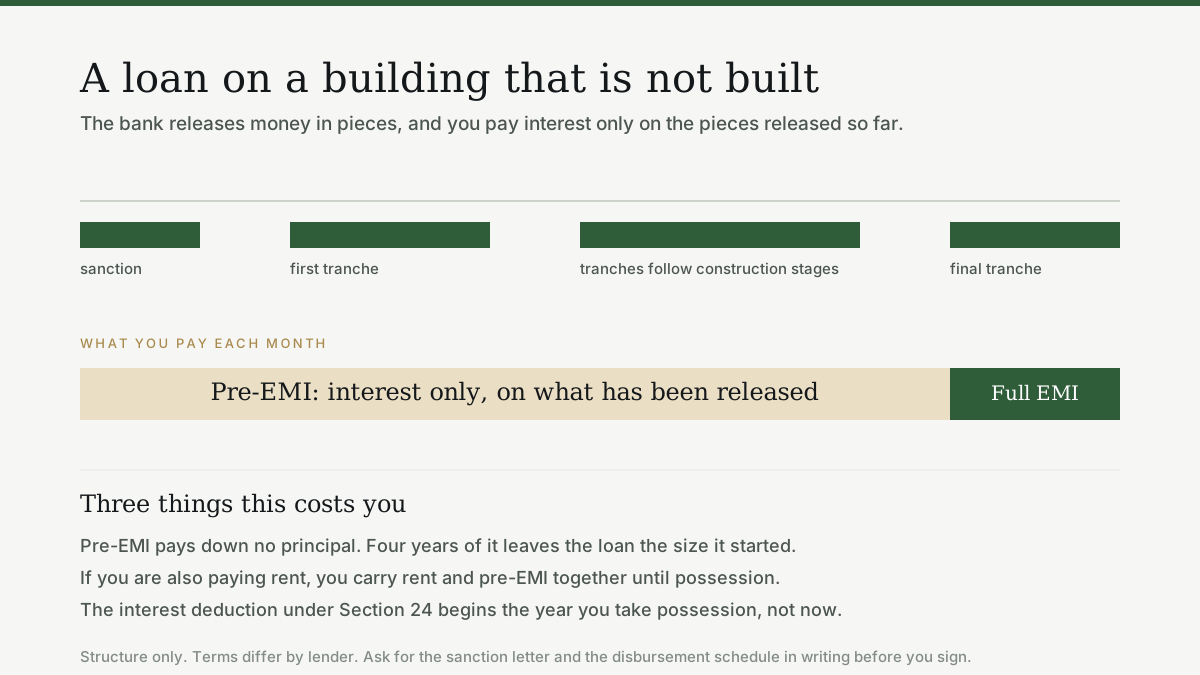
Part disbursement, pre-EMI, and a tax deduction that does not start until you have the keys. What a loan on a 2030 possession actually costs you between now and then.
Carpet, built-up and super built-up: which number you are actually buying
Three area figures, one flat, and a gap between them that can reach thirty per cent. Only one of the three is what the law makes the builder sell you on.