Carpet, built-up and super built-up: which number you are actually buying
Three area figures, one flat, and a gap between them that can reach thirty per cent. Only one of the three is what the law makes the builder sell you on.
Blackstone Realty · 9 August 2026 · 5 min read
A flat has one floor. It has three commonly quoted areas. Understanding which is which is the difference between comparing two projects properly and comparing them not at all.
The three numbers
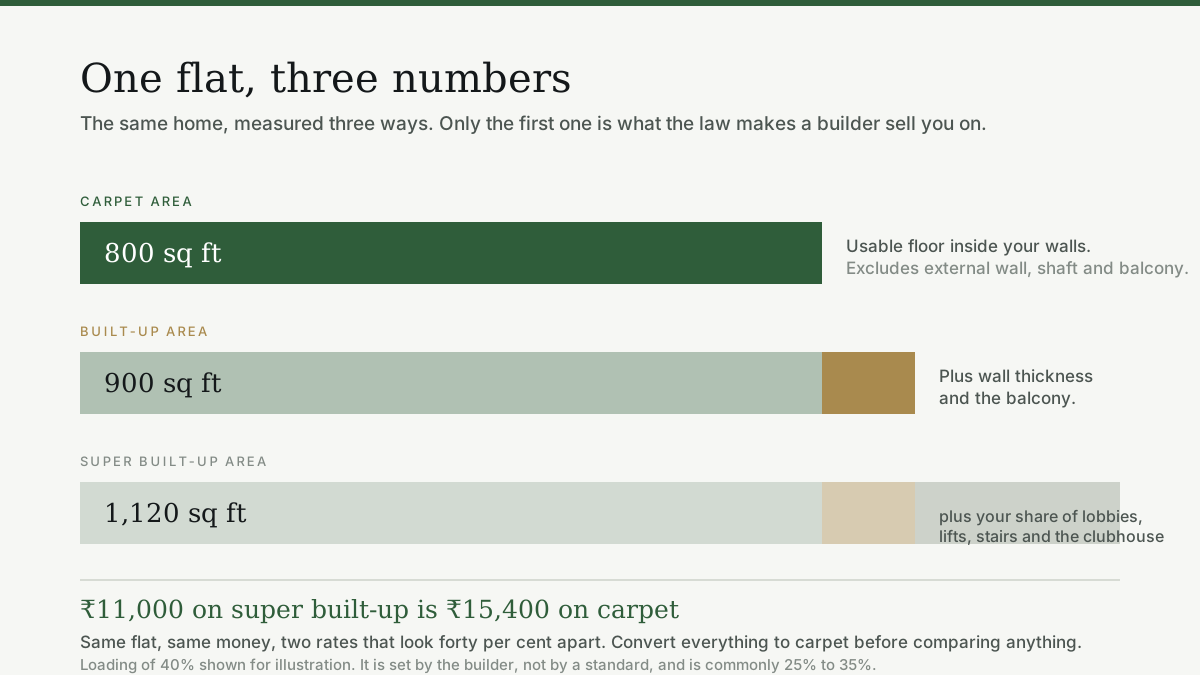
Carpet area
The usable floor area inside your walls. Under the Real Estate (Regulation and Development) Act, 2016, this specifically excludes the external walls, the shaft, the exclusive balcony or verandah and the exclusive open terrace, while including the internal partition walls.
This is the floor you can put furniture on. It is also the only one of the three the Act recognises for the purpose of selling you a flat.
Built-up area
Carpet area plus the thickness of the walls and the balcony. Typically around ten to fifteen per cent more than carpet. It has no statutory definition for sale purposes.
Super built-up area
Built-up area plus your share of everything common: lobbies, staircases, lifts, the clubhouse, corridors, sometimes the amenity podium. Often twenty-five to thirty-five per cent above carpet, and the loading factor is decided by the builder, not by a standard.
This is the largest of the three, which is why it is the one that historically appeared in advertising.
What the law changed
Since RERA came into force, a registered project must disclose and sell on carpet area. Prices quoted, agreements signed and the registered project record all use it.
Super built-up has not disappeared from conversation. It still turns up in verbal quotes and in third-party listings, because a bigger number reads better. It just has no standing in the agreement you will actually sign.
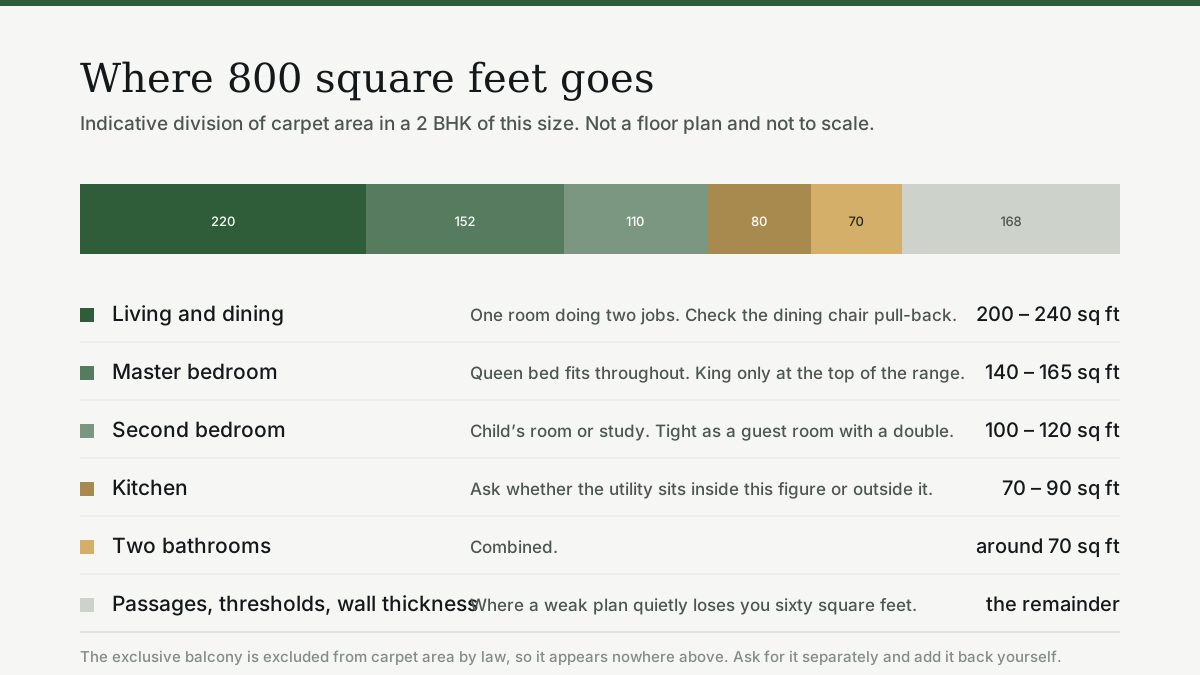
What the carpet figure covers once it is inside the flat. The balcony is excluded from it by law. · Illustration
Why the gap matters in rupees
Two projects quoting the same rate per square foot are not quoting the same thing if one is quoting on carpet and the other on super built-up. On a 1,000 square foot super built-up flat with a thirty per cent loading, the carpet area is around 770 square feet. Same rate, same headline, materially different flat.
The comparison only works one way: convert everything to carpet, then divide the total cost by that. Not the rate you were quoted. The total, including floor rise, parking, club membership and every other line on the cost sheet.
Three questions that settle it
Is this rate on carpet area? Ask plainly and get it in writing. If the answer is anything other than a clear yes, it is not.
What is the carpet area on the MahaRERA record for my phase? That figure is public and it is the one that binds.
What is the all-inclusive cost? Rate per square foot is a marketing number. What leaves your account is the number that matters, and it includes stamp duty, registration, GST, parking and maintenance.
One thing worth remembering
The agreement for sale is the document that governs. If a carpet area in a brochure differs from the carpet area in the agreement, the agreement wins, and the brochure will usually carry a line saying exactly that in small print.
Read the agreement before the cheque, not after. It is the least exciting hour of the whole purchase and the most useful one.
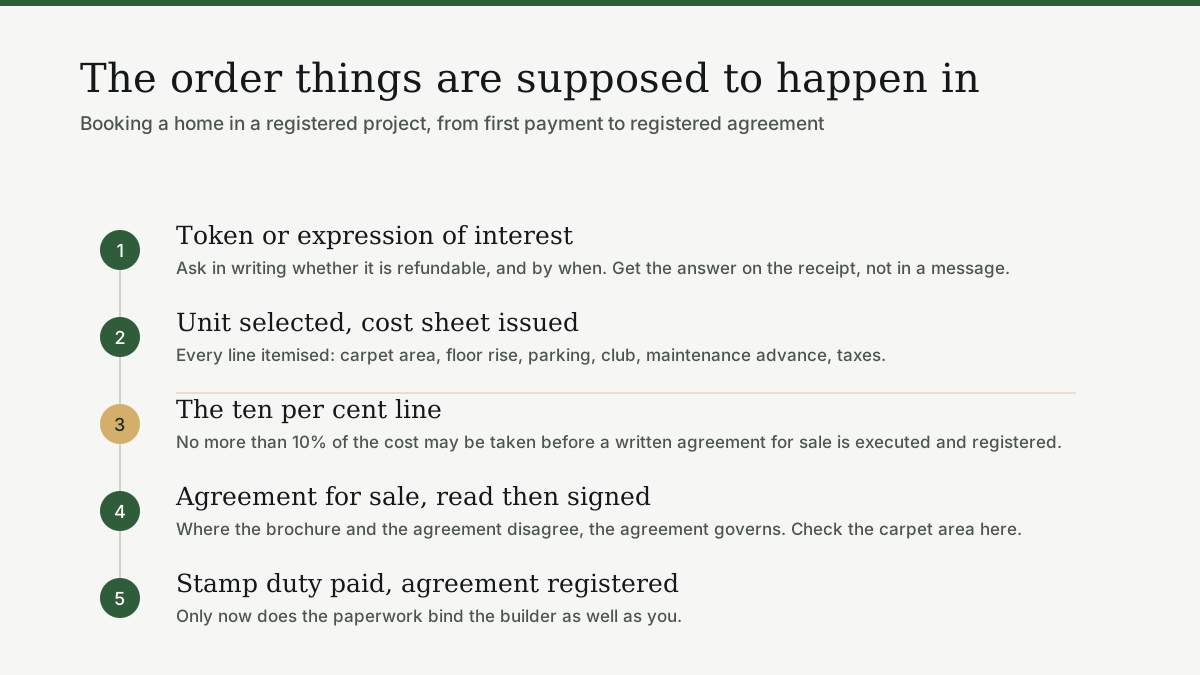
Booking a pre-launch flat: the sequence and the ten per cent rule
Five steps between the first payment and a registered agreement, the documents to collect at each, and the one legal limit that decides how much anyone can take from you before it.
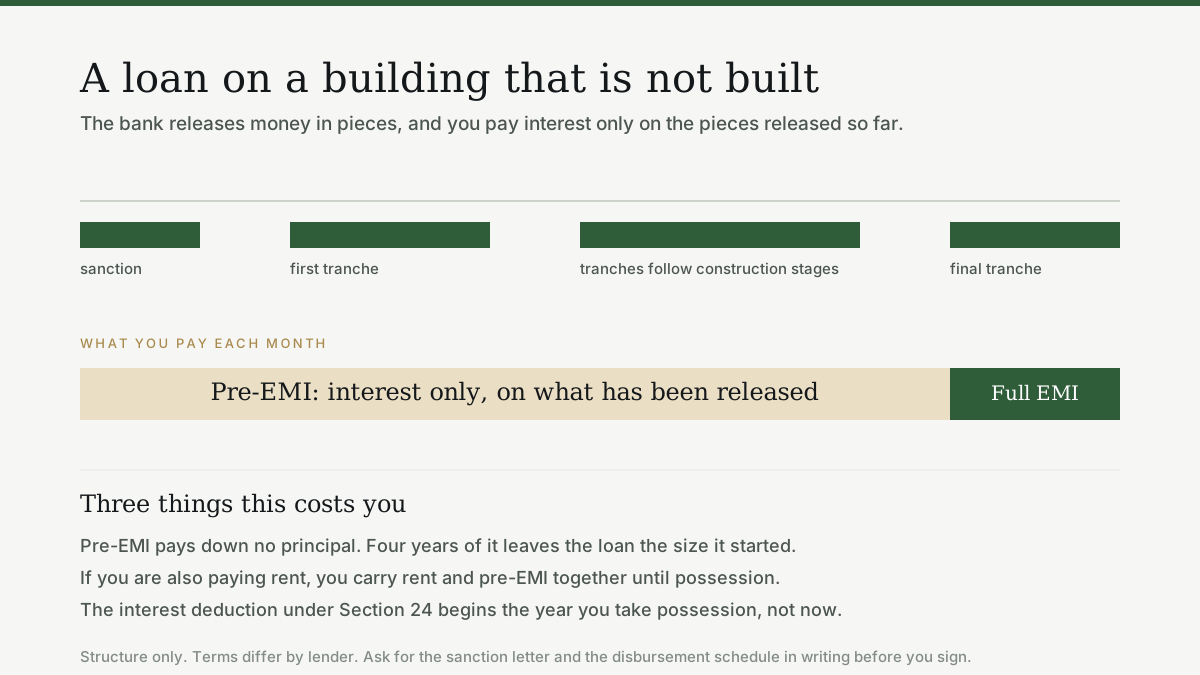
Part disbursement, pre-EMI, and a tax deduction that does not start until you have the keys. What a loan on a 2030 possession actually costs you between now and then.
What to check on a site visit, beyond the show flat
The show flat is built to be liked. An hour spent on the things it is not designed to show you will tell you more about living there than the tour will.